
Oral Leases in Florida: A Comprehensive Overview
Real Property Oral Leases in Florida: A Comprehensive Overview Introduction In the state of Florida, oral lease agreements, commonly referred
Title is the quietest thing in a transaction until it is the only thing that matters.
The approach
Real Property runs from a residential closing to a quiet title action: purchase and sale on both the residential and commercial side, leasing and landlord-tenant, land use and zoning, development, construction, and the litigation that follows when any of those go wrong.
The department stays with a matter when it turns contentious. Landlord-tenant work does not migrate to a litigation group when an eviction is filed, and a construction defect does not change hands because a lien was recorded. The lawyer who papered it is the lawyer who argues it, which tends to concentrate the mind at the drafting stage.
Major areas within the department
Contract review and closings on both the residential and commercial side, and the leases that govern a property once it is bought, built or let.
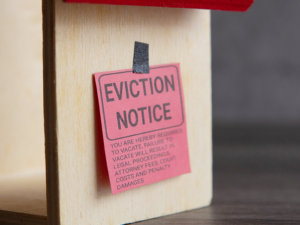
Evictions, possession and lease enforcement — for owners and tenants alike.
The administrative approvals — zoning, variances, subdivision — that a project needs before the first permit is pulled.
Defects, liens and payment disputes on a construction project, and the title and boundary problems that surface once a sale or a project is underway.
Quiet title, partition and specific-performance actions; association governance disputes; and eminent domain matters against a condemning authority.
From the journal

Real Property Oral Leases in Florida: A Comprehensive Overview Introduction In the state of Florida, oral lease agreements, commonly referred

REAL PROPERTY Landlord/Tenant Eviction Process – It’s all about procedure. Whether you are a landlord seeking to reclaim your property

Resources
Representative matters
Details are altered to preserve confidentiality.
Questions
Do I need a lawyer for a residential closing?
Florida does not require one. Whether you want one depends on what is unusual about the property, the title, or the person on the other side of the table.
How long does an eviction take?
Uncontested, two to four weeks from service. Contested, considerably longer — and the defences raised are more often about habitability than about rent.
Can a neighbour acquire part of my land?
Through adverse possession or a prescriptive easement, yes. Both turn on facts established over years, which is why boundary disputes reward early attention and punish patience.
Related
The first conversation costs nothing, and commits you to nothing.